Summary of six evidence-based themes for Earth in the Year 2120
The Earth of 2120
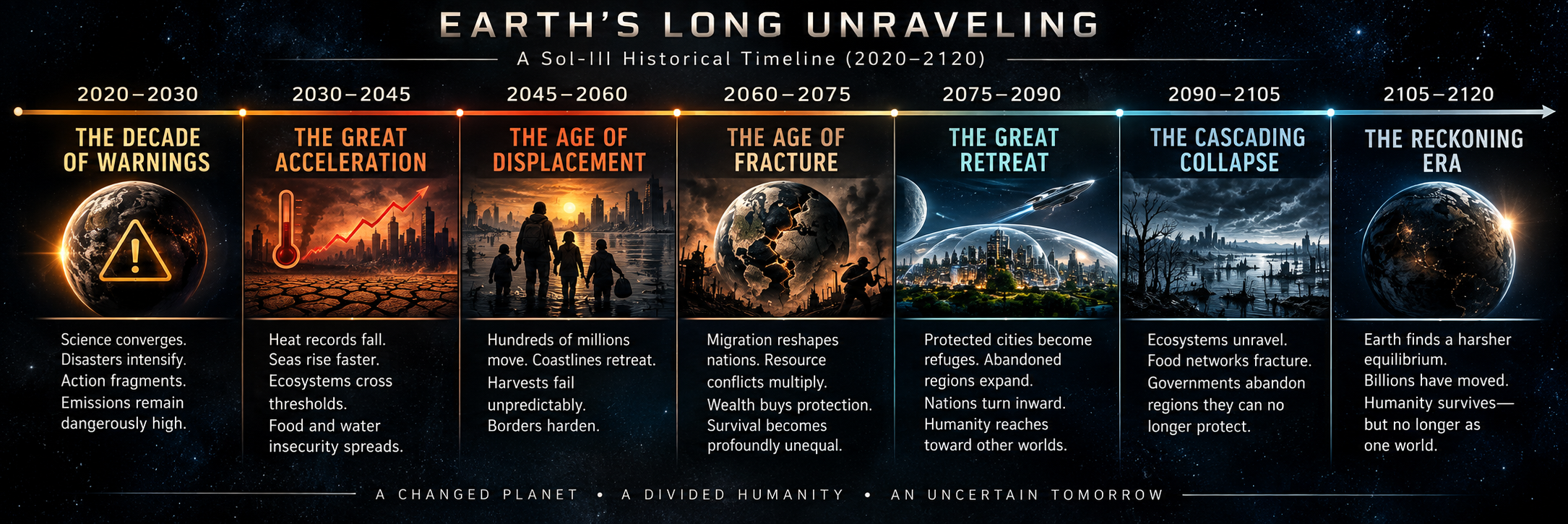
The future portrayed in The Spiritual Engineers is fiction, but many of its foundations are not. Climate models, satellite observations and socioeconomic studies already describe a century of increasing heat, ecosystem disruption, food insecurity, migration and unequal vulnerability, while space agencies are building the technologies required for sustained human life beyond Earth. The novel carries these trajectories several decades beyond the limits of today’s scientific projections to imagine one possible Earth in 2120.
Earth Beyond the Climate Thresholds
(IPCC / UNEP)
A Planet Pushed Beyond Its Limits
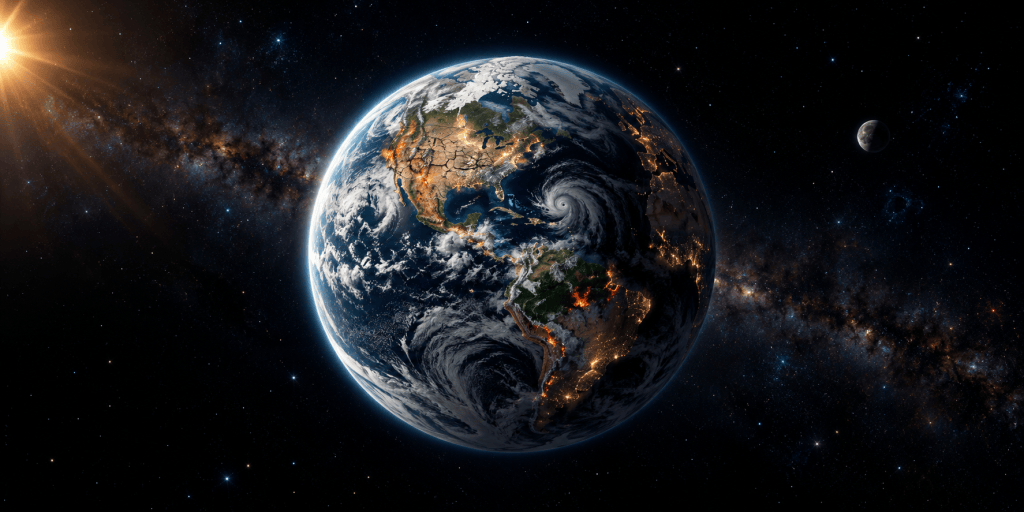
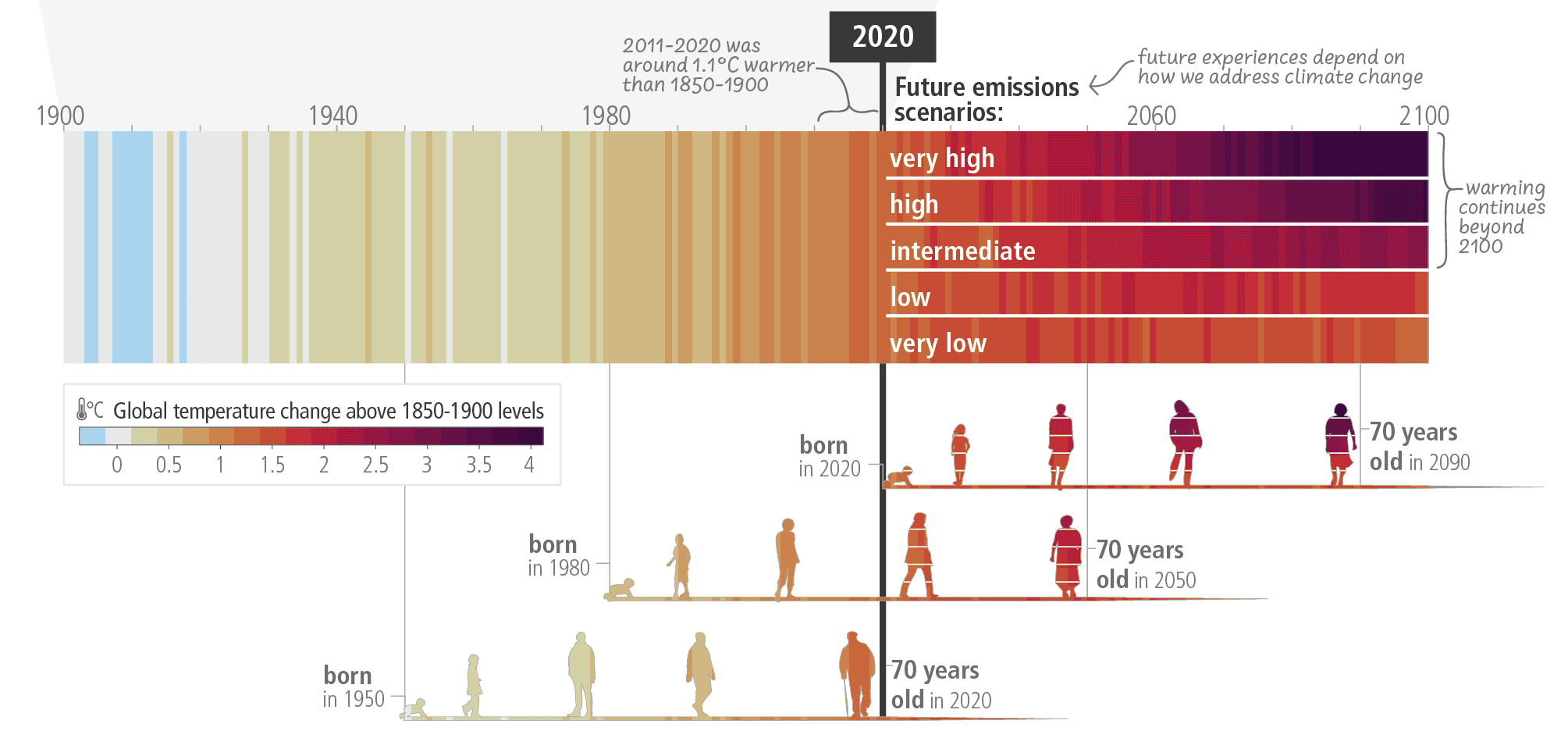
By 2120, generations of warming have transformed Earth. Extreme heat, rising seas, intensifying droughts and floods, disrupted water supplies, and repeated climate disasters have reshaped where people can safely live and how societies function. Many changes set in motion during the twenty-first century continue long after 2100, while damaged natural systems leave civilization increasingly vulnerable to cascading shocks. The Spiritual Engineers extrapolates these scientifically documented trajectories into a future in which climate change is no longer a crisis approaching humanity—it is the world humanity has inherited.
The Living World Unravels
(NOAA / IPCC)
The Living Systems Begin to Fail Unevenly
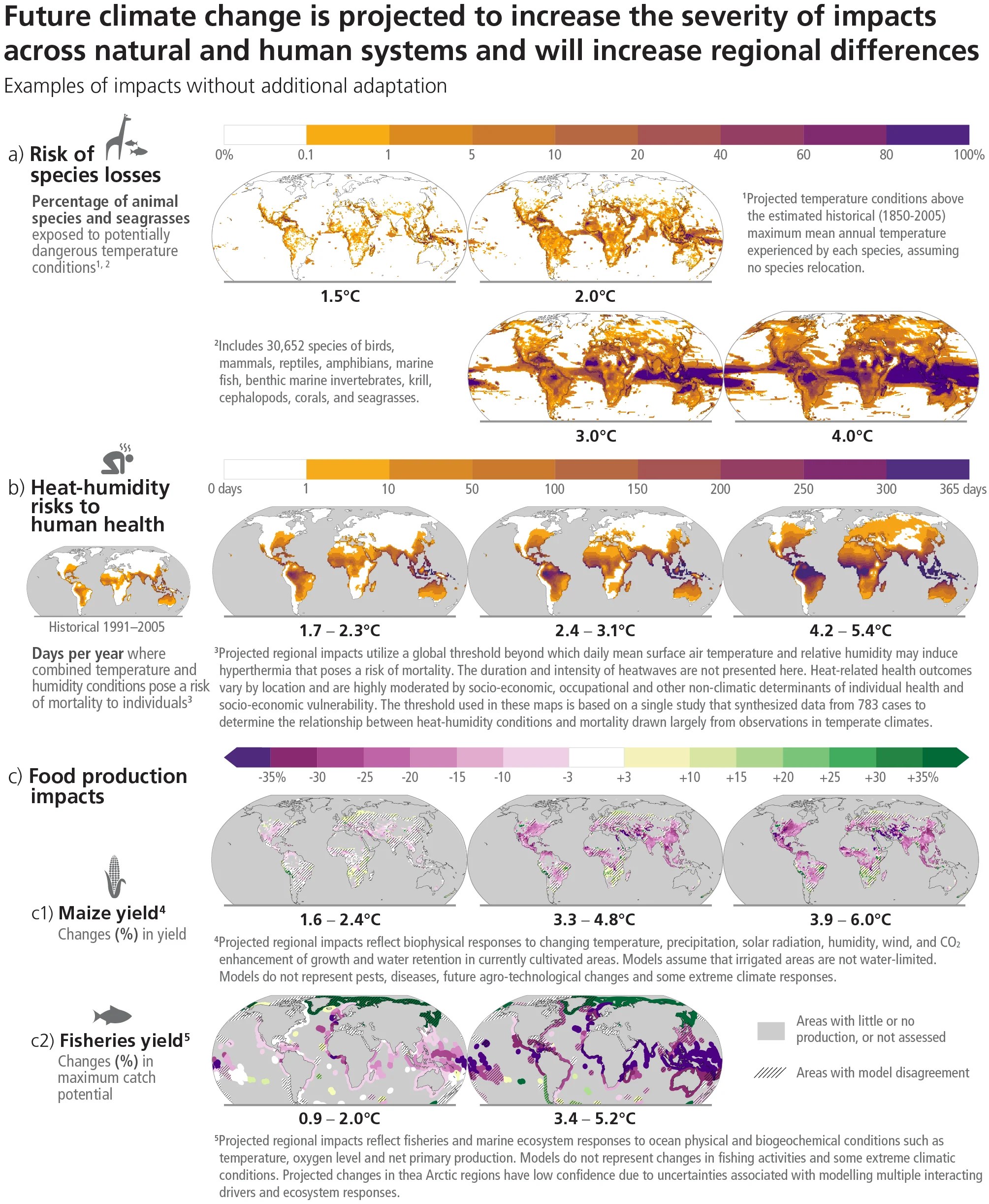
Ocean warming, acidification, shifting fisheries, coral loss, drought and extreme heat do not strike every ecosystem simultaneously. Some regions remain productive while others cross biological thresholds much earlier. By 2120, this uneven collapse has transformed food security into one of humanity’s defining political and humanitarian problems.
Migration on an Unprecedented Scale
(World Bank / IPCC)
A World in Motion
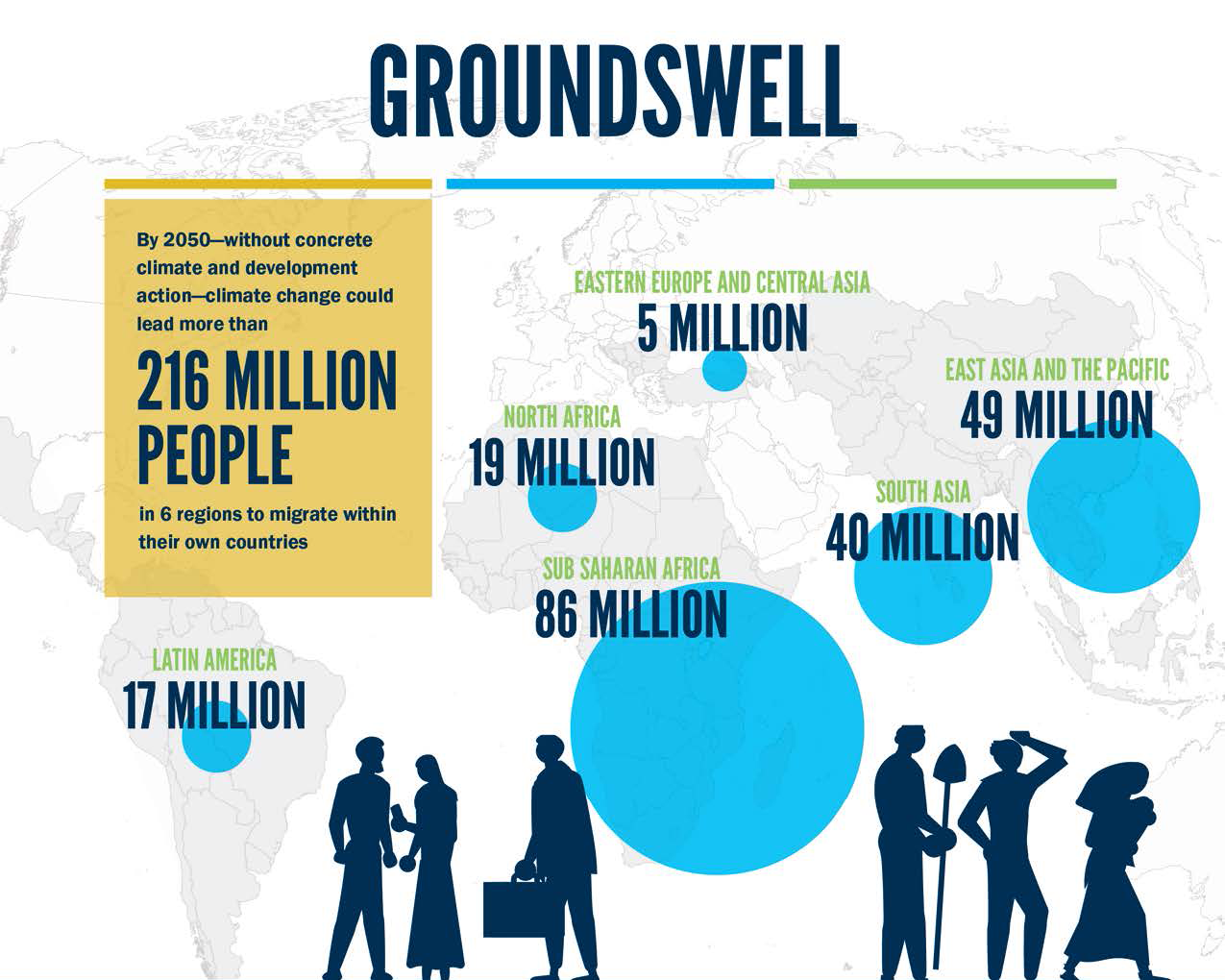
As coastlines retreat, heat intensifies and livelihoods become unreliable, populations begin moving toward regions where water, food and tolerable climates remain available. In The Spiritual Engineers, decades of these movements have produced enormous migration corridors by 2120, placing unprecedented pressure on cities, borders and governments.
Climate Stress Fractures the Political Order
(IPCC)
By 2120, a century of climate disruption has redrawn the political map.
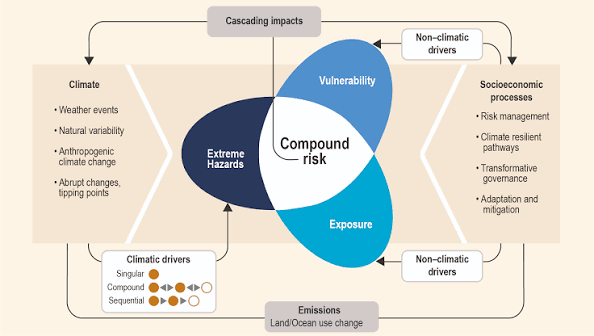
Repeated crop failures, water shortages, collapsing fisheries and mass displacement have overwhelmed some governments and destabilized others. Borders harden as enormous populations move toward increasingly scarce regions of security and abundance. Competition over water, food, territory and migration feeds regional wars, while wealthy nations and protected enclaves increasingly withdraw behind technological and physical barriers. Climate change did not cause these conflicts by itself—but after generations of compounding environmental shocks, it helped create a world in which old political tensions became increasingly difficult to contain.
Inequality determines who survives the transition
(UN / World Bank / IPCC)
The Crisis Is Not Shared Equally
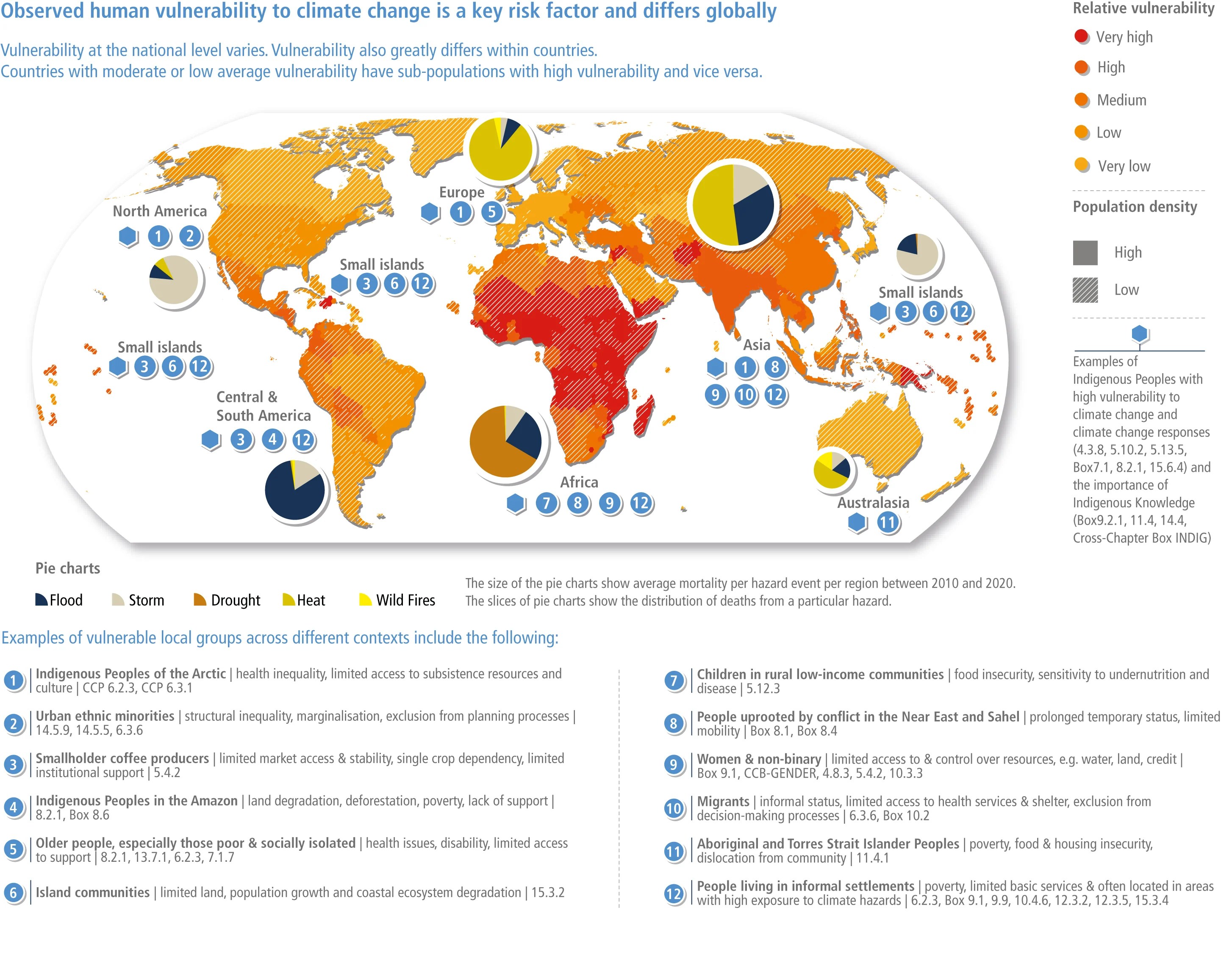
Wealthier societies possess greater resources to protect infrastructure, relocate populations and adapt food and water systems. Poorer nations often face the greatest exposure with the least capacity to respond. By 2120, The Spiritual Engineers imagines that this disparity has hardened into one of humanity’s deepest moral and geopolitical divisions.
Humanity Builds Refuges—and Reaches for Other Worlds
(NASA)
Shelter from a Changing Earth
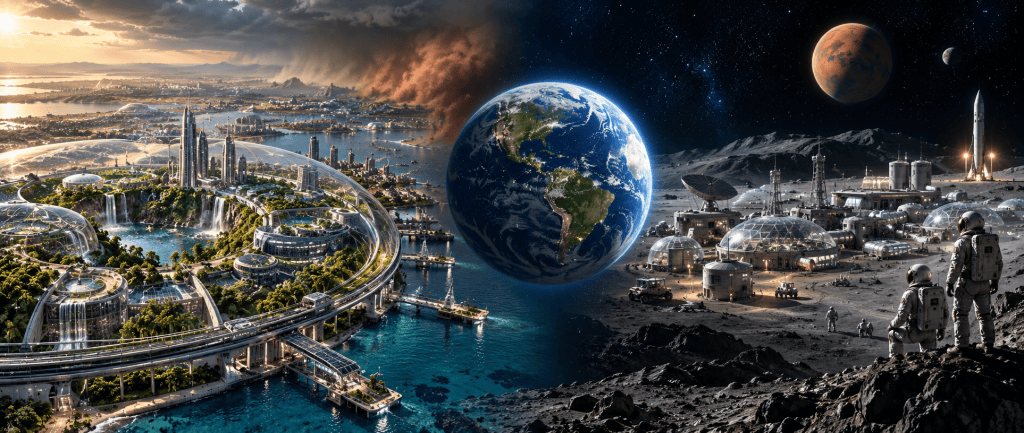
As climate disruption intensifies, humanity turns increasingly to engineering for protection. Cities are redesigned as resilient refuges—dense arcologies, climate-controlled habitats, fortified coastal settlements, underground complexes, and other self-contained communities designed to withstand extreme heat, storms, flooding, food shortages, and unreliable infrastructure. But access to these refuges is profoundly unequal, reinforcing the divisions already created by wealth and geography.
At the same time, another form of refuge begins taking shape beyond Earth. Technologies initially developed to sustain astronauts on the Moon and Mars evolve into permanent habitats, using closed-loop life-support systems, local resources, artificial ecosystems, and increasingly independent settlements. By 2120, The Spiritual Engineers imagines these two trajectories unfolding together: humanity building protected worlds within a damaged Earth while simultaneously learning to build new homes beyond it.
Yet neither solution answers the deeper question at the heart of the novel: Can humanity engineer its way out of every crisis—or must it change its relationship with the living worlds it inhabits?.